Vertigo and Migraine
Vertigo
The feeling that your surroundings are whirling out of control is known as vertigo. You might not even notice this feeling, or it might be so strong that it makes it challenging to maintain balance and carry out daily duties.

The other symptoms may include
- Nausea or feeling nauseous
- Dizziness
- Lack of balance, which can make it difficult to stand or walk
- Inability to focus the eyes
- Loss of hearing in one or both ears
- Loss of equilibrium (may cause a person to fall)
- Ringing in the ears
Causes of Vertigo
- In most cases, vertigo is brought on by issues with the inner ear (peripheral vertigo), or problems with the brain or nervous system (central vertigo). Specific risk factors and other medical conditions can also cause vertigo episodes.
- Meniere’s disease The excessive fluid buildup in your inner ear causes this condition. Vertigo attacks that come on suddenly, intensely, and continue for a long period are common in people with Meniere’s disease. Along with these symptoms, they could also experience hearing loss, ringing in the ears, or “blocked” ears.
- Labyrinthitis The symptoms of this illness, also known as “vestibular neuritis,” include ear inflammation and swelling. Usually, a viral or inner ear infection is at blame. In those with labyrinthitis, sudden vertigo symptoms and hearing loss are frequent.
- Other diseases may include Diabetes, Parkinsonism, migraines, and Osteosclerosis.
What are the standard treatments for Vertigo?
The fundamental cause is just one of many variables that will determine the best vertigo treatment for you. The most effective vertigo remedies are:
- Medication: Addressing your vertigo’s underlying cause may help reduce symptoms. For instance, your doctor may prescribe antibiotics if vertigo is a symptom of an infection. Inflammation can be reduced by steroids. There are additional drugs to relieve other vertigo symptoms, such as nausea or motion sickness.
- Vestibular rehabilitation: This might help you manage your symptoms if your vertigo is brought on by an inner ear issue.
- Surgery: If the underlying cause of vertigo is a serious condition such as a brain tumour or neck damage, surgery may be required.
How can I prevent vertigo attacks?
There are several actions you can do to lower your risk of experiencing vertigo. These consist of:
- Taking additional time to rise up, turn your head, or make other triggering motions.
- Sleeping on two pillows with your head raised.
- When you start to feel dizzy, sit down.
- Squatting down to pick something up rather than bending over.
Myth: Vertigo is associated with heights
Fact: The spinning sensation related to vertigo can be brought on by standing on a high platform and looking down or up at a tall building from the ground level. However, it’s not the height itself that’s making you feel queasy; rather, it’s your head movement or shifts in your field of vision. However, because vertigo considerably raises your chance of falling, we could suggest staying away from high places.
Myth: There is no long-term cure available, so you must just learn to live with it
Fact: Recurrent vertigo or dizziness can have a big impact on your life, preventing you from participating in social events or interfering with your ability to drive or work. There’s a chance. Determine which course of treatment is best for you by working with your medical team.
Myth: If you haver vertigo once, it becomes a lifetime condition
Fact: The truth is that some people have a vertigo attack once, and it never happens again. Others develop a chronic experience with it. You can decide to wait it out and hope it doesn’t return if your vertigo attacks do not coincide with other symptoms of a more severe kind. Regular episodes of vertigo should raise suspicions. If this frequently occurs to you, get expert assistance.
Migraines
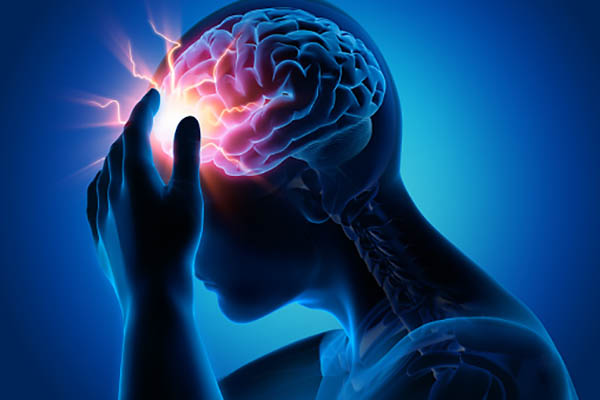
Migraine is a neurological condition that frequently results in a severe headache. The headache occurs in bursts, and occasionally it’s accompanied by dizziness, motion sickness, and light sensitivity. In 2019, it was discovered that over 213 million people in India had migraines, with women reporting 60% of these episodes.
What are the symptoms of migraines?
While severe, incapacitating headaches are a common symptom, other signs and symptoms may also include:
- Nausea and vomiting
- Speaking difficulties
- Tingling or numbness
- Sensitivity to light and sound
What are the risk factors for migraines?
Although it might be challenging to anticipate who will experience migraines and who won’t, some risk factors may make you more susceptible. These risk components comprise:
Hereditary: Up to 80% of those who get migraine headaches have a first-degree relative who also suffers from the condition.
Gender: Women are more likely than men to experience migraine headaches, especially between the ages of 15 and 55. Due to the impact of hormones, women are probably more likely to experience it.
Stress levels: High levels of stress may make migraines more frequent for you. A migraine can be brought on by stress.
Smoking: According to research, those who smoke are more prone to experience regular headaches. As the pain-sensitive nerves pass through the back of the throat, nicotine may activate them, increasing the likelihood of experiencing head discomfort.
What are the triggers for migraines?
- Hormonal changes in females
- Caffeinated drinks
- Bright light
- Change in sleeping pattern
- Weather changes
- Some foods
- Intense Physical activity
What is the treatment for migraines?
There is presently no known way to prevent migraines, although there are some therapies that can lessen their symptoms.
Finding the optimal course of treatment for you may take some time. Your therapeutic strategy is based on:
- Your age
- Frequency of migraines
- Any other medical condition
- Other medications that you take
- Associated symptoms like nausea or vomiting
- Your treatment plan may include
- Lifestyle changes
- Trigger identification
- Non-Steroidal Anti-Inflammatory drugs
- Anti-Nausea or Anti-emetic drugs
- Acupressure or accupenture
Busting Myths about migraines
Myth: Migraines don’t happen frequently, and when they do, they pass quite quickly.
Fact: The typical migraine lasts between four and 72 hours. However, prolonged assaults can last for days, weeks, or even months. A migraine that lasts longer than 72 hours should be seen by a doctor. Additionally, if you have headaches 15 or more days a month, you are said to have chronic migraine. Sadly, a lot of people do experience recurrent migraines.
Myth: Migraines are only a minor inconvenience and not a significant medical condition.
Fact: A migraine by itself might not be fatal. However, studies show a connection between suicide and other heart illnesses, stroke, and migraine.
Myth: An aura always precedes a migraine.
Fact: An aura is present during 25% to 30% of migraine bouts. There are various types of auras, including:
- Spot flashing
- Swaying lines
- Distorted vision
- Unusual odours
- Ears that are ringing
- Sense of tingling throughout the body.
- However, migraines can have an onset without an aura as well.
Vertigo and Migraine Treatment- Dr Manish Wadhwani's Clinic, Kailash Colony, Ulhasnagar
Seeking relief from vertigo and migraines? Visit Dr. Manish Wadhwani's clinic at Kailash Colony, Ulhasnagar for Quality treatment.
Service Type: Physician, Diabetologist and Clinical Cardiologist Services