Infections and Tuberculosis
Infections
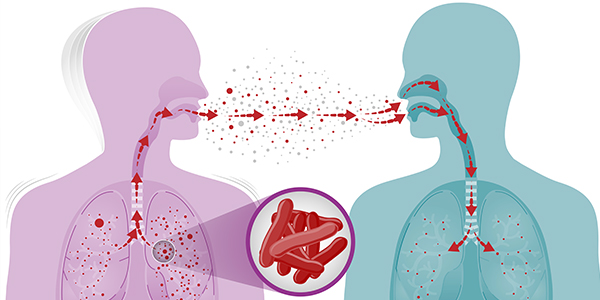
An infection occurs when a microbe harms a person after entering their body. The microorganism lives off of that person’s body and reproduces and colonizes there. These pathogenic tiny organisms are contagious and reproduce swiftly.
What exactly are infectious illnesses?
Infectious diseases are illnesses brought on by pathogens that enter your body from the outside. Infectious disease-causing pathogens include viruses, bacteria, fungi, parasites, and, in rare cases, prions. Infectious diseases can be contracted from other people, insect bites, contaminated food, drink, or soil.
What distinguishes infectious diseases from noninfectious illnesses?
Harmful organisms like viruses and bacteria that enter your body from the outside cause infectious diseases. The causes of non-infectious diseases are heredity, anatomical variations, ageing, and the environment you live in. Noninfectious diseases cannot be contracted from other people, through a bug bite, or food.
Infectious diseases include the flu, measles, HIV, COVID-19, and tuberculosis. Examples of noninfectious diseases include cancer, diabetes, congestive heart failure, and Alzheimer’s disease.
Myth: Common colds and flu are treated with antibiotics.
Facts: Only bacteria can be treated with antibiotics. Antibiotics have no impact at all against the viruses that cause the common cold and flu. Also, the more antibiotics we use, the more resistant bacteria will emerge and multiply.
One of the leading causes of the global rise in antibiotic resistance is the overuse and abuse of antibiotics for viral illnesses.
Myth: Germs, bacteria, and viruses can be eliminated using hand sanitizer.
Fact: It is a fact that hand sanitizers with at least 60% or 70% isopropyl alcohol can dissolve the outer layers of bacteria and viruses, thus “killing” these pathogens. However, it is not advised for continuous use. Hand sanitizer can actually accumulate and trap germs with repeated use. Choose to frequently and thoroughly wash your hands in warm water and plain soap whenever possible. When you can’t wash your hands, use hand sanitizer.
Tuberculosis
Tuberculosis is a potentially dangerous infectious disease that primarily affects the lungs. People can contract tuberculosis from one another by coughing or sneezing small droplets of bacteria into the air.
Tuberculosis can present in two forms:
Latent tuberculosis is an illness where TB bacteria are present but do not cause symptoms.
TB disease (active TB), in which the Tuberculosis bacteria actually make you ill. Antibiotics almost always work to treat TB disease. However, it can be lethal if it is not adequately handled.
Signs and symptoms of tuberculosis
- Coughing for three weeks or longer
- Bleeding while coughing
- Chest pain, breathing difficulty, or coughing pain
- Unintentional loss of weight
- Fever
- Fatigue
- Sweats during nighttime
- Chills
- Reduced appetite
What are the risk factors for Tuberculosis
- Compromised immune system: A strong immune system frequently defeats TB germs. Nonetheless, some conditions like Chemotherapy, AIDS, malnutrition, several cancers, and various kidney diseases. Children under 5 years or elderly patients are also at a risk for tuberculosis.
- If you have travelled to a TB-prone area
- Tobacco Usage for a long time
- If you have been staying with somebody who has been infected
How Is Latent TB Handled?
You should receive preventive therapy if you have contracted TB but do not yet have the disease. By using a medication, the disease-causing microorganisms are eliminated. The most typical preventive treatment is taking one daily dose of the antibiotic isoniazid (INH) for six to nine months.
If you have latent TB, you are not contagious.
How is active TB handled?
If you have active TB disease, you will likely receive treatment for six to twelve months with a mix of antibiotics. Isoniazid INH in combination with the three medications rifampin, pyrazinamide, and ethambutol is the most often used treatment for active TB. Even though you might start feeling better just a few weeks after starting the medication, TB treatment takes far longer than treating other bacterial infections. You must continue taking your medication as prescribed for the entire time your doctor suggests in order to prevent getting sick again or infecting others. Not finishing your whole drug course could also result in drug-resistant TB.
Drug-resistant TB
Drug-resistant TB occurs when the TB bacteria in your body are resistant to certain of the treatments that were initially used to treat the disease. Multidrug-resistant TB (MDR TB) is a particularly deadly form of TB that is resistant to multiple medications. This method of TB treatment requires 20 to 30 months to complete, and there may be additional adverse effects.
Treatment of TB
You must take your medication as directed and must finish your prescription. You risk getting ill again and possibly spreading the sickness to others if you stop taking the medication too soon. Also, by misusing the medications, any living TB bacteria may develop treatment resistance, making it more difficult for you to recover the following time.
You must undergo routine examinations while receiving therapy for active TB disease to ensure that the medication has the desired effect.
Advice on taking TB Medication
It’s crucial to establish a regimen if you are taking TB medication on your own. You can use the following strategies to remember to take your TB medication:
- Every day, take your medication at the same time.
- The days that you take your prescription should be noted on a calendar.
- Get a weekly pill organizer with compartments for each day of the week. Insert your pills there.
- To make sure you are taking your medication, ask a loved one to check in with you each day.
Myth: You won’t get TB again once you’ve had it treated.
Even if you have once received a TB cure, you are still susceptible to contracting the virus again. When you are diagnosed with the disease, make sure you finish the prescribed course of treatment.
Myth: Smoking is the main contributor to TB.
Inhaling contaminated air is the primary cause of tuberculosis. Smokers are more likely to have respiratory illnesses and infections in general, which increases their risk of contracting the disease.
Myth: TB is mostly a disease of the poor.
TB is a contagious illness that affects people of all ages and socioeconomic backgrounds without regard to distinction. Although it can affect everyone, certain people are undoubtedly more prone to the ailment developing.
Infections and TB Treatment - Dr Manish Wadhwani's Clinic, Kailash Colony, Ulhasnagar
Infections and TB problems are curable if treatment is taken on time. Don't delay to make them more complicated. Just Visit Dr. Manish Wadhwani's Clinic at Kailash Colony, Ulhasnagar team for Remedies.
Service Type: Physician, Diabetologist and Clinical Cardiologist Services