Dyslipidemia and nutrition
Dyslipidemia
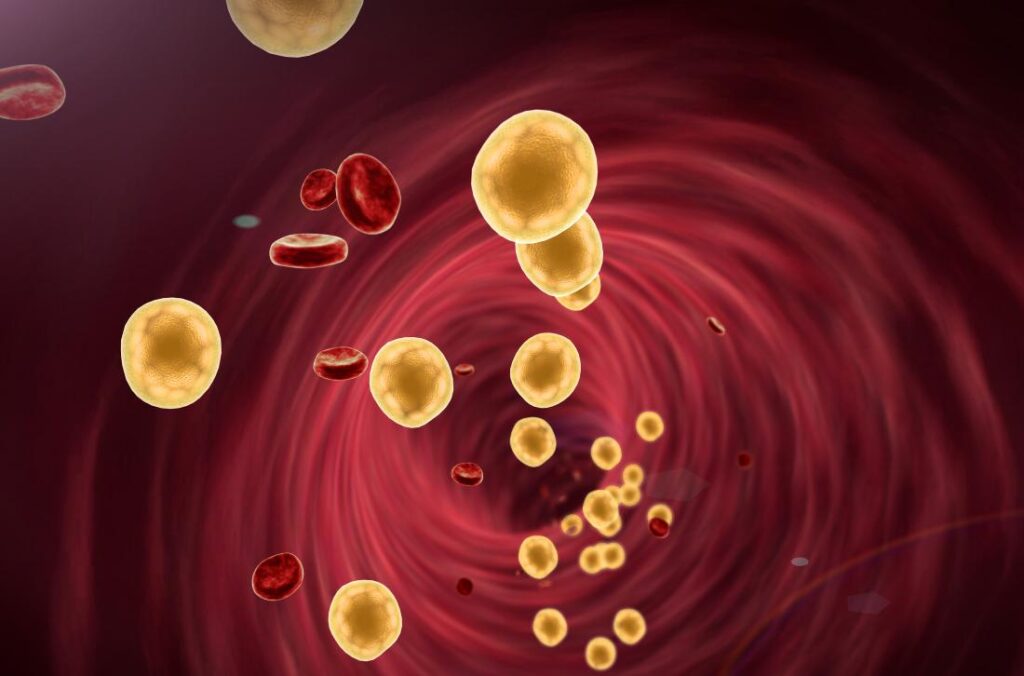
Blood lipid levels that are abnormally high or low are called dyslipidemia. Triglycerides and cholesterol are two examples of fatty compounds known as blood lipids.
Vitamin D and numerous hormones, including estrogen, testosterone, and cortisol, are produced by the body using cholesterol. Although the body is capable of having all the cholesterol it requires, it also gets cholesterol through the diet.
Fat cells contain triglycerides, which can be broken down and used as energy for the body’s metabolic functions, including growth. The liver and intestine use fatty acids, smaller fat molecules, to make triglycerides. While the body can produce some types of fatty acids, others must be received through food.
What are the symptoms of Dyslipidemia?
- Chest pain, especially when standing or walking
- Shortness of breath
- Neck and back pain, as well as chest tightness or pressure
- Indigestion, and heartburn
- Issues with sleep and fatigue during the day
- Dizziness
- Palpitations in the heart
- Sweating
- Nausea and vomiting
Primary dyslipidemia is the term used to describe abnormal lipid levels brought on by mutated genes inherited from either one or both parents.
On the other hand, Secondary dyslipidemia is more frequent and can be brought on by a variety of circumstances, including certain parts of your lifestyle or potential medical issues.
What can be the causes of dyslipidemia?
- An unhealthy,high-fat, or high-sugar diet
- Inadequate exercise
- Liver disorder
- Alcohol abuse
- Smoking
- Untreated hypothyroidism
- Uncontrolled diabetes
How is dyslipidemia treated?
Dyslipidemia can be treated in several ways.
Treatment for hypolipidemias is reserved for cases when they are severe, which typically occurs when the disorder is inherited. In some of these situations, the diet is changed, and some fat-soluble vitamins might be given.
It is frequently advised to adopt a cholesterol-lowering diet and lifestyle, which includes quitting smoking, getting more exercise, and taking care of any medical issues that may be contributing to elevated lipid levels.
Busting Myths and Facts about Dyslipidemia
Myth: High cholesterol is uncommon in those who are thin.
Fact: High cholesterol is more common in overweight persons, while it can also occur in slim people. Regardless of your weight, level of exercise, or dietary habits, have your cholesterol checked frequently.
Myth: Food is considered healthy if the Nutrition information label does not indicate any cholesterol.
Fact: If you know what to look for, the Nutrition Facts label on food can be useful for making heart-healthy eating selections. Several products that are advertised as “low-cholesterol” actually include large amounts of trans or saturated fats, both of which increase blood cholesterol.
Check the serving’s total calories, saturated fat, and trans fat content.
Nutrition
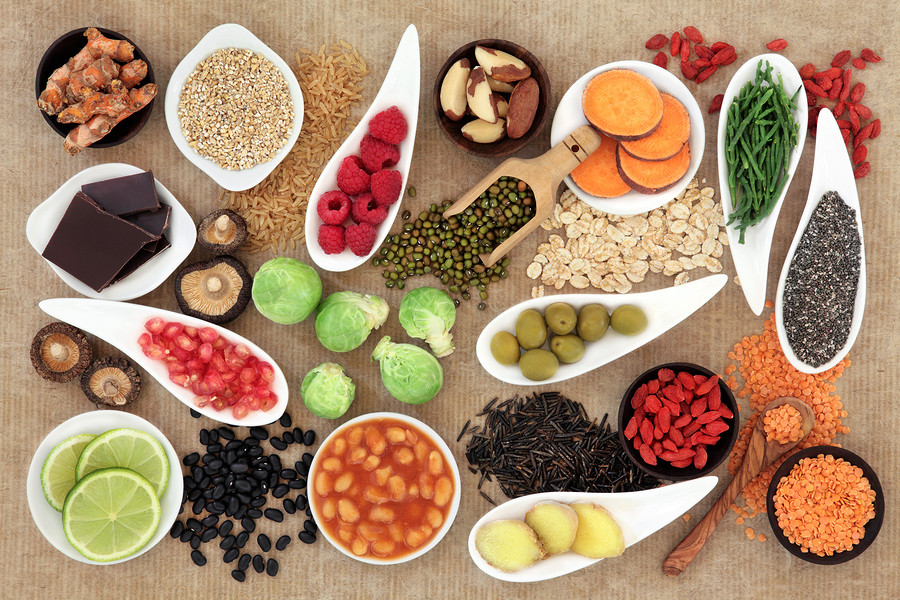
Getting the food and nourishment you require for your health and growth is referred to as nutrition. Without nutrition, we deteriorate physically and eventually become ill. We don’t meet our bodies’ daily physical and mental demands, which causes us to miss developmental milestones.
Eating a balanced, healthy diet is essential for good nutrition. Make sure you are getting the vitamins, minerals, and nutrients your body requires to function correctly.
What should a balanced diet include?
A balanced diet should typically include the following:
Protein-rich foods such as fish, poultry, red meat, dairy, eggs, almonds, and beans.
Complex carbs: They are typically found in fruits, starchy vegetables, whole grains, beans, and legumes.
Healthy fats: The food rich in healthy fats are Fatty fish (like cod), avocados, flaxseed, almonds, and oils.
Vitamins: Meals like citrus fruits and leafy greens are high in vitamins A, B, C, D, E, and K.
Minerals: Legumes, dairy products, and a variety of fruits are good sources of calcium, potassium, zinc, folate, magnesium, and iron.
Water: Adequate amount of water is required for calorie management, muscle, and skin health, Water is also important for kidney and intestine function.
Myth: If you want to be healthy or reduce weight, you should stay away from fats.
Fact: You do not have to avoid all fats if you’re seeking to enhance your health or reduce weight. A healthy eating plan should include fats since it supplies vital nutrients. Eat small portions of foods with healthy fats, like avocados, olives, or almonds, if you’re attempting to lose weight. You could also use low-fat cheese or milk in place of whole-fat cheese.
Myth: Avoid eating egg yolks
Fact: The idea that egg yolks are fatty and should be avoided is another well-known dietary myth. Indeed, your heart conditions are improved by your large consumption of saturated fat and trans fat. On the other side, eggs’ high protein and vitamin content can work to your health’s advantage.
Myth: A gluten-free diet should be followed by everyone
Fact: The protein called gluten, which is present in wheat, barley, and rye, need not be avoided unless you have celiac disease or gluten intolerance. Products made from whole wheat offer considerable nutritional advantages, including fiber and important B vitamins.
Dyslipidemia And Nutrition Consultation - Dr Manish Wadhwani's Clinic, Kailash Colony, Ulhasnagar
Looking for Affordable treatment on Dyslipidemia And Nutrition related issues? Visit Dr. Manish Wadhwani's Clinic at Kailash Colony, Ulhasnagarteam for best consultations
Service Type: Physician, Diabetologist and Clinical Cardiologist Services