Hypertension and Heart Attack
Hypertension and Heart Attack
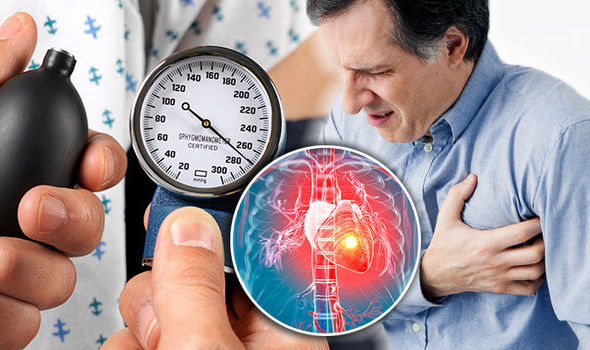
Blood pressure is the force of your blood against the artery walls. Blood is transported from your heart to different regions of your body through arteries.
Every day, your blood pressure typically fluctuates within physiological ranges.
Two figures are used to calculate blood pressure:
Systolic blood pressure: The first figure, gauges the pressure in your arteries when your heart beats.
Diastolic blood pressure: The second figure, gauges the pressure in your arteries between heartbeats.
Blood pressure readings that are around 120/80 mm Hg are regarded as normal. If your blood pressure falls within this category, keep up heart-healthy routines like eating a balanced diet and exercising frequently.
What is high blood pressure?
Blood pressure that is higher than usual is referred to as high blood pressure or hypertension. Depending on your activity, your blood pressure changes throughout the day. A diagnosis of high blood pressure may be made if blood pressure readings are frequently higher than normal.
What triggers high blood pressure?
Usually, high blood pressure comes on gradually. Unhealthy lifestyle choices, like not taking enough exercise, and eating unhealthy food might cause it. The risk of getting high blood pressure can also be increased by several other disorders, including diabetes and obesity. Pregnancy can lead to high blood pressure as well.
What issues does hypertension bring about?
Your health can be harmed by high blood pressure in some ways. Your heart, brain, kidneys, and eyes can all suffer severe damage. The good news is that you can typically control your blood pressure to reduce your chance of developing significant health issues.
Making lifestyle modifications can help many people with high blood pressure bring their levels into a healthy range or maintain them there.
- Doing 150 minutes or more of exercise per week (about 30 minutes a day, 5 days a week)
- Giving up smoking
- Maintaining a balanced diet and abstaining from alcohol and sodium (salt)
- Maintaining a healthy weight.
- Controlling stress
- Some persons with high blood pressure need to take medication to regulate their blood pressure in addition to adopting beneficial lifestyle changes.
Heart Attack
A myocardial infarction, commonly known as a heart attack, occurs when the blood supply to a portion of the heart muscle is inadequate. The more time that goes by without receiving care to improve blood flow, the more damage the heart muscle sustains.
What signs indicate a heart attack?
The main signs of a heart attack include
- Chest discomfort or agony: The majority of heart attacks are characterized by chest pain on the left or center sides that last for more than a few minutes or that fades and reappears.
- Feeling flimsy, dizzy, or faint.
- Additionally, you can start to sweat a lot.
- Back, neck, or jaw discomfort or pain.
- One or both arms or shoulders may experience pain or discomfort.
- Respiration difficulty
- Shortness of breath can occur before chest discomfort, although it also frequently occurs together with it.
How could I take care after I had a heart attack?
Discuss your daily activities at work and in your personal life with your healthcare staff. After a heart attack, your doctor could advise you to take a break from work, travel, or sexual activity.
Along with taking prescription medications, making lifestyle changes like eating a healthier diet, getting more exercise, stopping smoking, and managing stress can help you live a healthier life. To assist you in making these lifestyle changes, inquire with your medical team about participating in a program called cardiac rehabilitation.
Busting common myths related to Heart Diseases?
Myth: Young people shouldn’t worry about their heart health
Fact: Being proactive with your health is always a smart idea when you’re young. But it’s crucial in the case of heart health. A study of hundreds of heart attack hospitalizations found that 30% of the patients were between the ages of 35 and 54. The increase in young heart hospitalizations was another finding of this lengthy investigation. It is never too early to think about developing better heart behaviours.
Myths: Men are primarily affected by heart disease
Fact: This is one that you have probably heard before, and you might be surprised to learn that it is a myth. According to the CDC, heart disease claims almost as many women as it does males. Additionally, heart disease is the number one killer of women, just like it is for males. Heart disease is primarily gender-blind, though it may be disproportionately influenced by race and educational attainment
Myths: Mental Health does not affect your heart
Fact: Many people do not, however, believe that mental wellness plays a role in heart health. According to a study comparing people with and without depression, depressive adults have a 64% increased risk of developing coronary artery disease.
Hypertension and Cardiac Treatment - Dr Manish Wadhwani's Clinic, Kailash Colony, Ulhasnagar
Dr. Manish Wadhwani's clinic at Kailash Colony, Ulhasnagar offers specialized hypertension and cardiac treatment for your overall wellness.
Service Type: Physician, Diabetologist and Clinical Cardiologist Services