Epilepsy
Epilepsy is an aberrant brain activity that results in seizures or episodes of strange behaviour, sensations, and occasionally loss of consciousness. Epilepsy affects about 50 million individuals worldwide, making it one of the most prevalent neurological conditions worldwide.
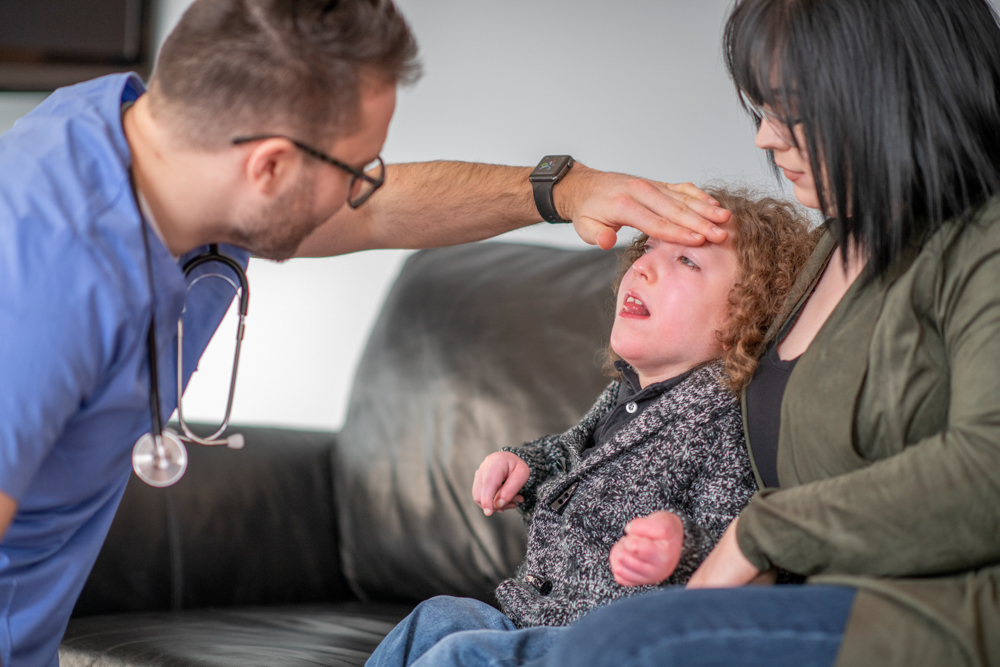
Epilepsy can strike any person. Males and females of all ages, races and cultural backgrounds are both affected by epilepsy. A seizure is typically described as an abrupt shift in behaviour brought on by a transient disruption in the brain’s electrical activity. It could be challenging to identify a minor seizure. You might be awake during it, and it might only last a few seconds. Spasms and uncontrollable muscular twitches might result from more severe seizures. They may cause confusion or unconsciousness and last anywhere from a few seconds to many minutes. You might not remember having a seizure afterwards.
There are two primary categories of seizures:
- Generalized seizures: Your entire brain is affected by generalized seizures.
- Focal seizures: Focal or partial seizures impact only one area of your brain. disorientation, tingling, and twitching of the limbs, as well as changes to senses of taste, smell, sight, hearing, or touch
The symptoms include
- Bodily stiffness and tremors
- A lack of bowel or bladder control
- Muscle jerking, loss of tone, and uncontrolled muscle action.
- Temporary disorientation, sluggish thinking, communication and comprehension issues.
- Tongue-biting
- Loss of consciousness
- You might not recall having a seizure afterwards, or you might experience mild dizziness for a few hours
- temporary loss of consciousness or awareness.
- “Staring into space” or a blank stare.
- alterations in taste, smell, hearing, vision, or sensations of tingling or numbness
- Difficulty understanding or speaking
- Increased breathing or heart rate
What are the causes of Epilepsy?
Most of the time, the cause of epilepsy is not known. However, some of the known causes are
Genetics. There is a higher likelihood that some forms of epilepsy, such as juvenile myoclonic epilepsy and childhood absence epilepsy, run in families (inherited).
Trauma to the head: Any hit to the head can cause head injuries, as can car accidents, falls, and other physical trauma.
Infections of the brain. Brain abscesses, meningitis, encephalitis, and neurocysticercosis are a few examples of infections.
Developments disorders. A common cause of epilepsy, especially in those whose seizures are not managed by anti-seizure drugs, is birth defects affecting the brain.
Immune system diseases: Epilepsy can also result from illnesses that trigger your immune system to assault brain cells (also known as autoimmune diseases).
What are the various treatment options for Epilepsy?
Anti-seizure drugs: In roughly 60% to 70% of epileptics, anti-seizure drugs can reduce or eliminate seizures.
Surgery
If anti-seizure medications are unable to manage your seizures and they are severe and incapacitating, your doctor may recommend surgery.
What are the myths associated with Epilepsy?
Myth: Epilepsy only affects children
Fact: Epilepsy affects people over 65 almost as frequently as children ten years old and younger. Elderly people frequently get seizures as a result of various medical conditions such as heart disease and stroke.
Myth: Epilepsy patients are incapacitated and unable to work
Individuals who have the illness are just like the rest of us in terms of their range of skills and intelligence. Some people struggle with severe epilepsy and are unable to work, while others are effective in demanding professions.
What is a stroke?
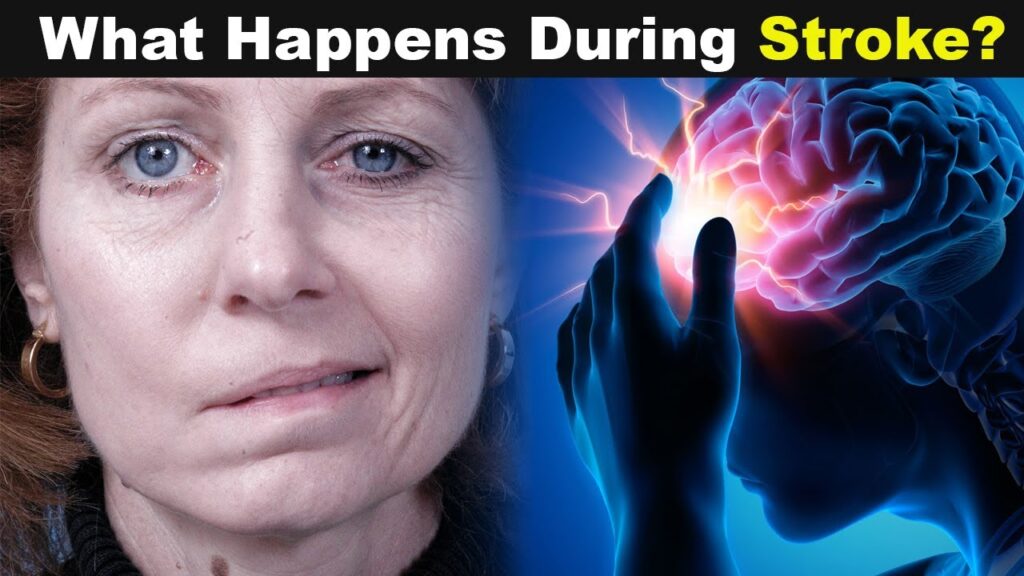
#A stroke happens when a blood vessel in the brain bursts and bleeds or when the blood supply to the brain is cut off.
What happens during a stroke in the brain?
The brain is the organ that manages our bodily activities, retains our memories, and generates our ideas, feelings, and verbal expression. In addition, the brain regulates a variety of bodily processes, including respiration and digestion.
You need oxygen for your brain to function correctly. All of the areas of your brain receive oxygen-rich blood from your arteries. Within minutes of a blood flow obstruction, brain cells start to degenerate because they are deprived of oxygen.
How might a stroke impact my body?
What a heart attack is to your heart, strokes are to your brain. When you suffer a stroke, a portion of your brain loses blood flow, preventing that part of your brain from receiving oxygen. The afflicted brain cells become oxygen-starved and quit functioning correctly without oxygen. Your brain cells will perish if you deprive them of oxygen for too long. If enough brain cells in a particular region perish, the damage is irreversible, and you risk losing the abilities that the region used to regulate. Restoring blood flow, however, might stop that kind of harm from occurring or at least lessen how bad it is. Time is very important when treating a stroke.
The symptoms of stroke could be
- Weakness or paralysis on one side.
- Aphasia (difficulty with or loss of speech skills)
- Garbled or slurred speech (dysarthria).
- Loss of facial muscular control on one side.
- Sudden loss of one or more senses, whether complete or partial (vision, hearing, smell, taste, and touch).
- Double or blurry vision (diplopia).
- Nausea or vertigo.
- Alterations in personality and emotional instability.
- Agitation or confusion.
An effective treatment on time can both save lives and prevent long-term damage.
What is the treatment for Stroke?
Although some patients may also require surgery, the typical course of treatment entails taking one or more different medications.
What are the common Myths associated with Stroke?
Myth: Strokes only affect elderly people
Fact: The truth is that anyone, regardless of age, gender, colour, or ethnicity, is susceptible to having a stroke
Myth: Stroke prevention is impossible.
Fact: The good news is that, according to the American Stroke Association, up to 80% of strokes can be avoided. The risk of having a stroke is decreased by making wise lifestyle decisions that minimize stroke risk factors like high blood pressure, high cholesterol, and diabetes. Another method to help avoid stroke and the cardiovascular disease that causes stroke is to maintain a healthy weight and eat a heart-healthy diet.
Parkinsonism
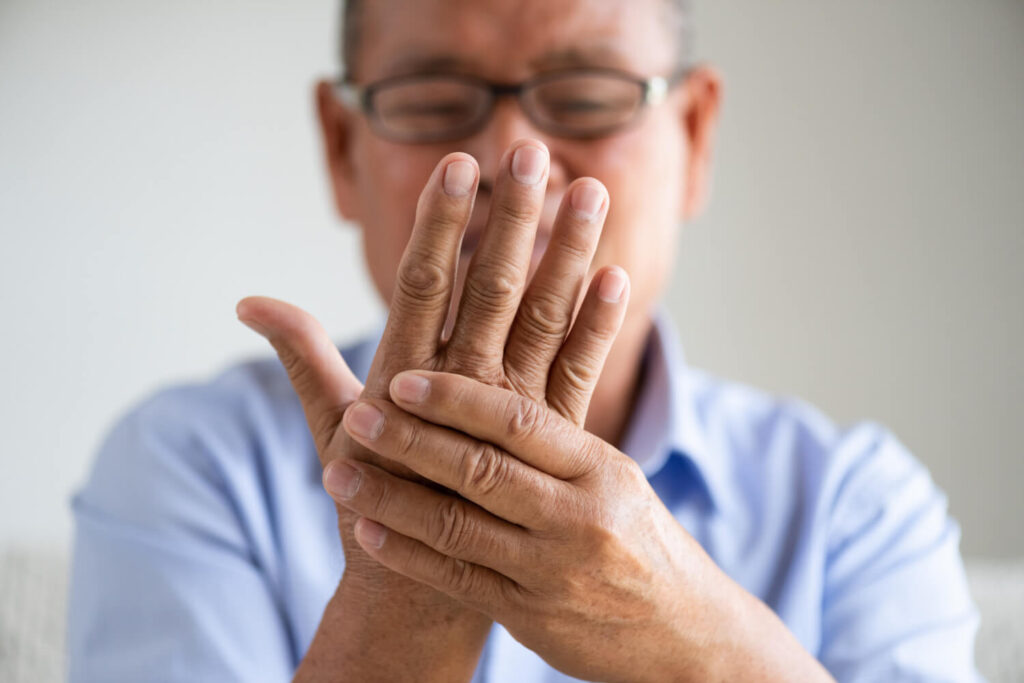
Parkinson’s disease is a brain condition that results in unintentional or uncontrollable movements like trembling, stiffness, and issues with balance and coordination. Typically, symptoms start mildly and get worse over time. People may experience walking and verbal difficulties as the illness worsens.
Overall, Parkinson’s disease is quite prevalent and is the second most prevalent age-related degenerative brain illness. Furthermore, it is the most prevalent motor (movement-related) brain disorder. According to experts, it affects at least 1% of adults over 60 throughout the world.
Parkinson’s disease signs and symptoms
- A tremor in the head, jaw, arms, or legs
- Muscular stiffness caused by prolonged muscle contraction
- Slow movement
- Impaired coordination and balance
- Difficulties with emotions, such as depression
- Swallowing, chewing, and speaking challenges
- Issues with urinating or constipation
What is the treatment for Parkinsonism?
Even though there is no cure for Parkinson’s disease, some symptoms can frequently be managed with medication, surgery, and other therapy.
Busting myths about Parkinsonism
Myth: Tremors are the most noticeable symptom of Parkinson’s disease for everyone
Fact: Because tremor is a noticeable and unmistakable symptom of Parkinson’s disease, it is simple to draw this connection. However, not everyone who has Parkinson’s develops a tremor over time, and even those who do may not have one at first.
Myth: Parkinson’s disease only impacts senior citizens
Fact: Most Parkinson’s patients are beyond 60 when they first experience symptoms. Parkinson’s disease can, however, also strike younger people.
Epilepsy, Stroke and Parkinson Treatment- Dr Manish Wadhwani's Clinic, Kailash Colony, Ulhasnagar
Specialized clinic offering advanced treatment for epilepsy, stroke, and Parkinsonism. Find expert care and personalized solutions at Dr Manish Wadhwani's Clinic at Kailash Colony, Ulhasnagar
Service Type: Physician, Diabetologist and Clinical Cardiologist Services