Irritable Bowel Syndrome
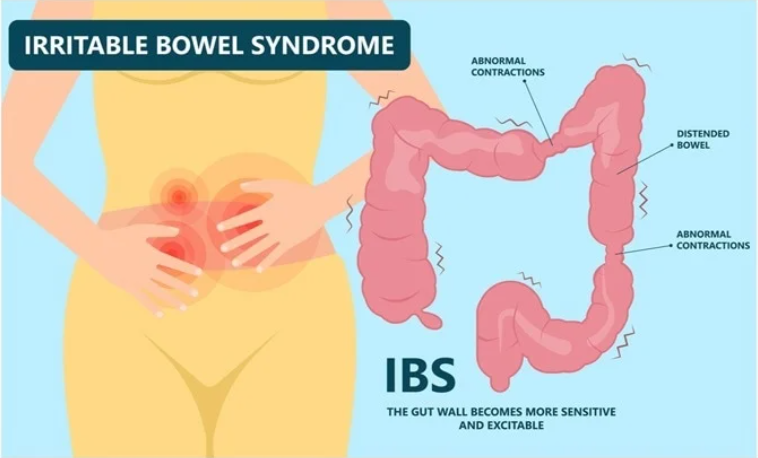
A collection of symptoms known as irritable bowel syndrome (IBS) include recurrent abdominal pain and changes in bowel habits that might be either diarrheal, constipating, or both.
What are the most common symptoms of Irritable bowel syndrome?
- Cramps and pain
- Diarrhoea
- Change in bowel movements
- Constipation
- Tolerance of certain food
- Feeling bloated
- Feeling tired or fatigued
- Anxiety and depression
What causes IBS?
The exact cause of IBS is not known but certain factors can play a role in the development of IBS. These factors are:
- Several bacterial or viral infections
- Stress during childhood or early adolescence
- Uncoordinated movements of the nervous tract
- Irregular contractions in the intestine
Treatment for Irritable Bowel Syndrome
Therapy for IBS focuses on symptom relief. Stress management, dietary and lifestyle adjustments, as well as stress management techniques, can frequently reduce mild symptoms.
Try to
- Avoid eating things that make you sick.
- Consume meals high in fibre.
- Drink a lot of water.
- Exercise regularly
- Get enough rest
- Your doctor would recommend medicines for constipation or diarrhoea.
- Some medicines could also be prescribed if you have stomach pain.
Myths and Facts about IBS
Myth: IBS is a mental health issue. All of it is in your head.
Fact: This is one of the most harmful myths and stigmatizes persons who have the ailment severely. Because IBS is a functional ailment, it lacks outward symptoms like the inflammation seen in inflammatory bowel disease. It is still a very genuine digestive condition, though. Stress, anxiety, and depression are mental health conditions that might worsen symptoms but do not cause IBS.
Myth: Since someone I know has success with this treatment, I should have success as well.
Fact: Every person with IBS has a different experience. There are numerous therapies available, some of which may be effective for one individual but ineffective or perhaps have negative side effects for another. You must collaborate with your doctor, gastroenterologist, or registered dietitian to discover the course of treatment that is most effective for you.
Liver cirrhosis
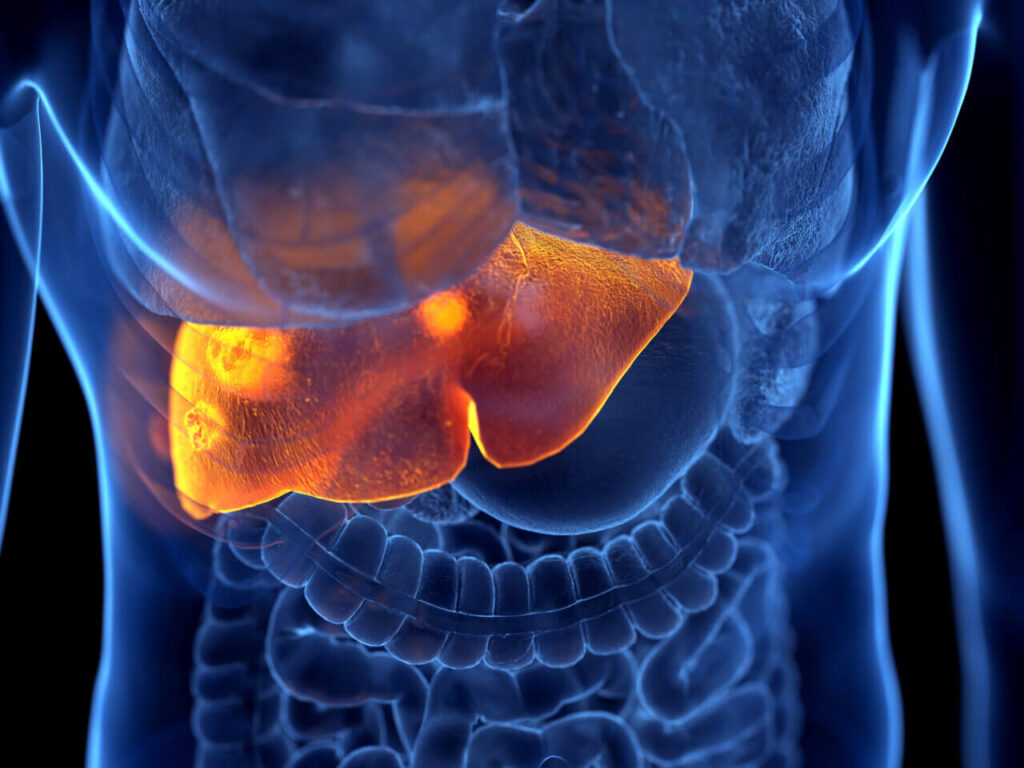
Cirrhosis is a late-stage liver disease in which your liver is permanently scarred and harmed. Healthy liver tissue is replaced by scar tissue, which stops your liver from functioning correctly. Your liver starts to fail as cirrhosis worsens.
What are the symptoms of Liver Cirrhosis
- Weakness and tiredness
- Loss of appetite
- Jaundice
- Severe itching
- Skin blood vessels that resemble a web of spiders
- Blood in the vomit
- Retention of fluid (swelling in legs, abdominal distension)
- painful muscular spasms
- Fever and brownish urine
What are the causes of Liver cirrhosis?
- Long-term alcoholism.
- Persistent viral hepatitis (hepatitis B, C an,d D).
- Non-alcoholic fatty liver disease in which fat builds up in the liver.The immune system of the body results in the illness known as autoimmune hepatitis.
- Biliary duct damage brought on by primary biliary cholangitis.
- Bile duct hardening and scarring brought on by primary sclerosing cholangitis.
- Infections like syphilis
How should liver cirrhosis be treated?
- Alcoholic Liver Cirrhosis: It’s critical to seek assistance if you have a drinking issue. The liver is harmed by alcohol. Consult your physician. They might suggest a rehabilitation program for you.
- Non-Alcoholic Liver Cirrhosis: Obesity increases your risk of developing this illness. If this illness is the root cause of your cirrhosis, losing weight and managing your blood sugar levels may help your liver health.
- Hepatitis: The treatment for these illnesses can prevent further liver damage.
Medications to reduce blood pressure in the portal vein. - Antibiotics to treat bacterial infections.
- A liver transplant: Extensive scarring could become permanent. The patient might require a liver transplant in certain circumstances. Finding a suitable donor might take some time, and this surgery is frequently used as a last resort.
Alterations in way of life
A person with cirrhosis will need to take precautions to safeguard their liver, for example. These measures could include:
- Avoiding meat and shellfish that are uncooked or undercooked to reduce the risk of illness.
- Avoiding alcohol, and cutting back on salt, fat, and protein if a doctor suggests it.
- Utilizing diet and exercise to control weight.
Myths and facts about liver
Myth: After cirrhosis, the liver will regenerate
Fact: The liver is a very regenerative organ, but it can only do so when the scar tissue is not too severe. To function properly and recover from the severity of the disease, the liver must also still be in good health. Cirrhosis severely limits the liver’s ability to regenerate. As a result, cirrhosis typically cannot be reversed. Nonetheless, taking the necessary measures and eating a nutritious diet can make things better for you.
Myth: If a person has no symptoms, they do not have cirrhosis.
Fact: It is also feasible for someone to have liver cirrhosis without ever experiencing any symptoms. Many people have cirrhosis of the liver, however, even in these cases, the liver still performs adequately to support normal bodily processes. In such cases, tiredness is a straightforward and obvious symptom.
Liver Cirrhosis and IBS Treatment - Dr Manish Wadhwani's Clinic, Kailash Colony, Ulhasnagar
Early treatment of Liver Cirrhosis and IBS may potentially reduce morbidity and improve your health. Book a consultation call Today with Dr Manish Wadhwani's Clinic at Kailash Colony, Ulhasnagar
Service Type: Physician, Diabetologist and Clinical Cardiologist Services